Sponsored article
In the world of cycling, efficiency and performance are paramount. Cyclists continually seek advancements that can offer a competitive edge. One crucial area that has seen remarkable innovation is component design. By integrating scientific principles, such as aerodynamics and ergonomics, and through the use of cutting-edge materials, modern cycling components are reshaping what is possible on two wheels. This article delves into these innovations, exploring how they maximize cycling efficiency.
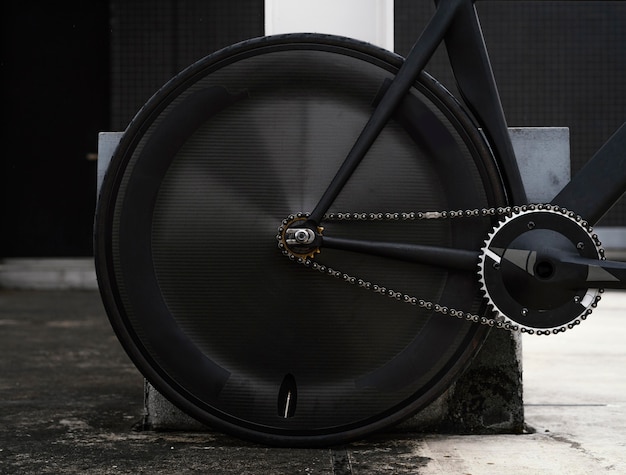
In the quest to enhance cycling efficiency, understanding the science of aerodynamics is essential. Aerodynamics significantly influence a cyclist’s performance by addressing the critical factors of drag reduction and wind resistance. As any cyclist knows, the energy spent fighting against the air can greatly impact speed and endurance. By optimizing the design features of bike components, manufacturers can minimize drag, allowing riders to maintain higher speeds with less effort. Innovations in component shapes, such as streamlined profiles and slick surfaces, help in cutting through the air more efficiently. Furthermore, the use of advanced materials that reduce weight without compromising strength contributes to performance gains. At Garbaruk’s online store, their commitment to high-performance lightweight bike components exemplifies this philosophy. By integrating the latest aerodynamic advancements, these components not only reduce wind resistance but also lead to substantial improvements in overall cycling efficiency.
The quest for enhanced efficiency in cycling has pushed designers to innovate through the use of lightweight materials in developing cycling components. At the forefront of this transformation is carbon fiber, a material renowned for its remarkable strength-to-weight ratio. By incorporating carbon fiber in the manufacturing of bike parts such as frames, forks, and wheels, manufacturers achieve significant weight reduction, which plays a crucial role in improving overall bike performance and efficiency. Lighter bikes require less energy to propel, allowing cyclists to maintain speed and maneuverability with ease. However, the challenge in innovative component design lies in striking the right balance between durability and lightweight qualities. While shedding grams is essential for performance, ensuring the resilience and longevity of these components is equally important for safety and reliability. The harmonious integration of lightweight materials in cycling components continues to redefine the boundaries of what’s possible in maximizing cycling efficiency.
Ergonomic design plays a critical role in elevating cycling comfort, directly impacting how well cyclists can maintain optimal performance over extended periods. By focusing on the ergonomic integration of components, manufacturers aim to fine-tune rider position, thereby reducing fatigue and preventing discomfort that arises from poor posture. Key innovations in this field are centered around creating components that offer a more tailored fit, enhancing the overall cycling experience. Some of these advancements include:
These ergonomic advancements are essential in reducing energy expenditure for cyclists, allowing them to focus more on speed and endurance rather than discomfort. In conclusion, the evolution of component fit is a testament to the industry’s commitment to enhancing cycling comfort and efficiency through careful engineering and design.